
Suddenly...I Do See
Suddenly, I do see. I see the imperfections of a picture-perfect industry. By Adrianna Renae

If all goes well, you get five senses. Smell, touch, taste, hearing, and sight, but if you’re lucky, a sixth one appears, and before you know it, everyone you know is asking your opinion on their outfit.
The sense of fashion, I should call it.
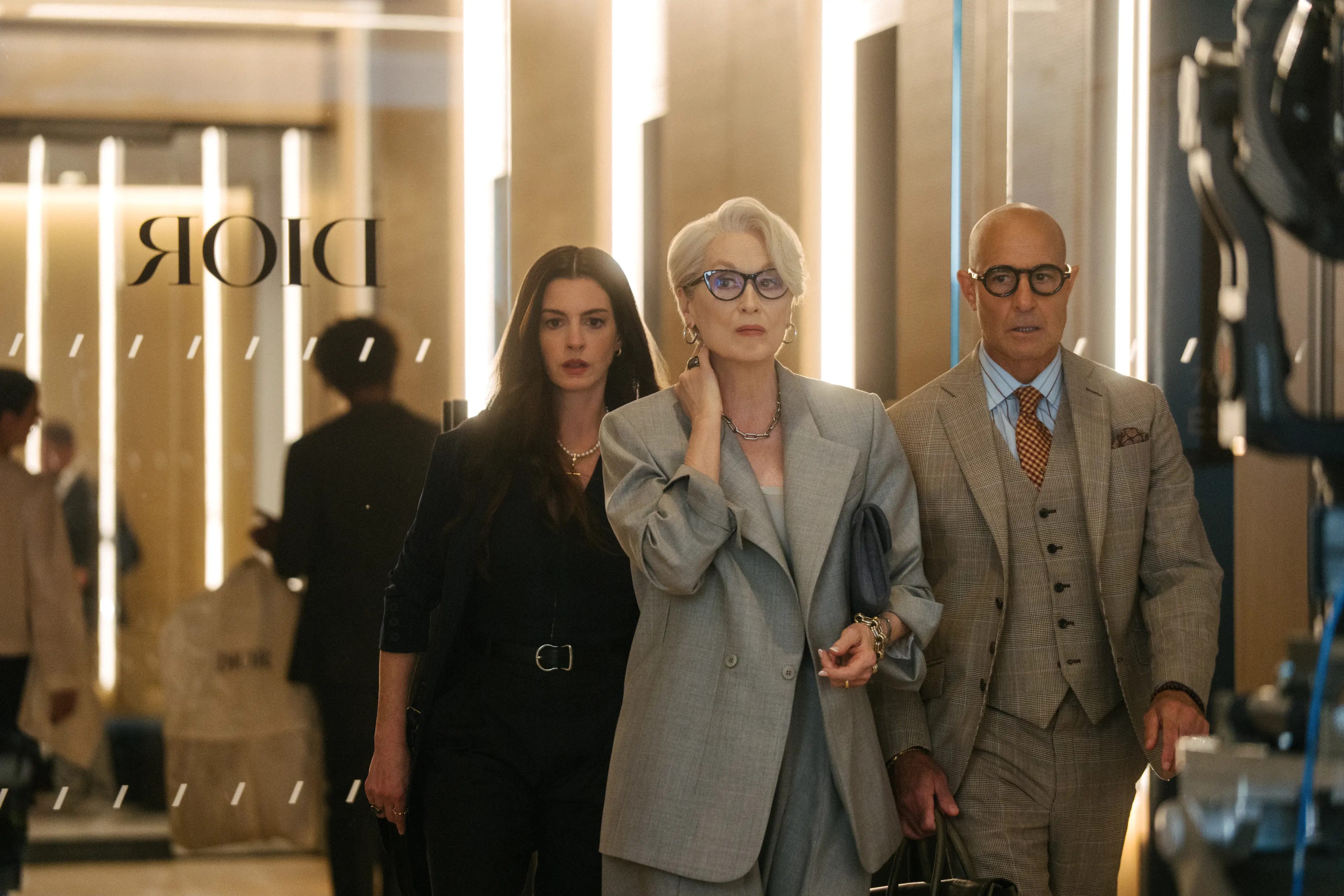
My sense of fashion and curiosity about the industry impelled me to watch the 2006 film, The Devil Wears Prada. Immediately, I fell in love with it. The state of fashion was full of optimism, actual people curated taste and direction, and magazines and print portrayed fashion that was inspiring and unique. To excel in the industry, you needed confidence, an open mind that could adapt to your role, connections that could bridge the gaps between where you are and where you want to be, and, most of all, the bravery to express true authenticity.
There was a magical element to this 2000s film that allowed it to showcase the glamour and excitement of fashion while also highlighting the burdensome demands that everyone in the industry faces. Most importantly, the film held depth meant for the audience to take home and reflect on. This is the integrity and authenticity that made me so intrigued to watch the sequel.
Two decades into the future, what is the message now? So much has changed in the way the world consumes fashion, as well as who’s consuming it. How will Miranda Priestly adapt to the new state of fashion?

It was never in my thoughts to worry about the production of the second film. Sure, I was skeptical about product placement, advertising that reminded me of the overconsumption epidemic we’re currently in, and influencer cameos that would look like a Coachella after party, but I trusted in Meryl Streep’s vision as she read the script and decided that it was “going to be all right.”
When the movie began, I already felt a sense of nostalgia, but not in a regretful way that mourns the past. It was a pleasurable feeling that I’d consider more sweet than bitter. The sun hit the buildings of New York City, and Andy Sacks was brushing her teeth in her bathroom mirror. It seemed as if time never passed, but it did.
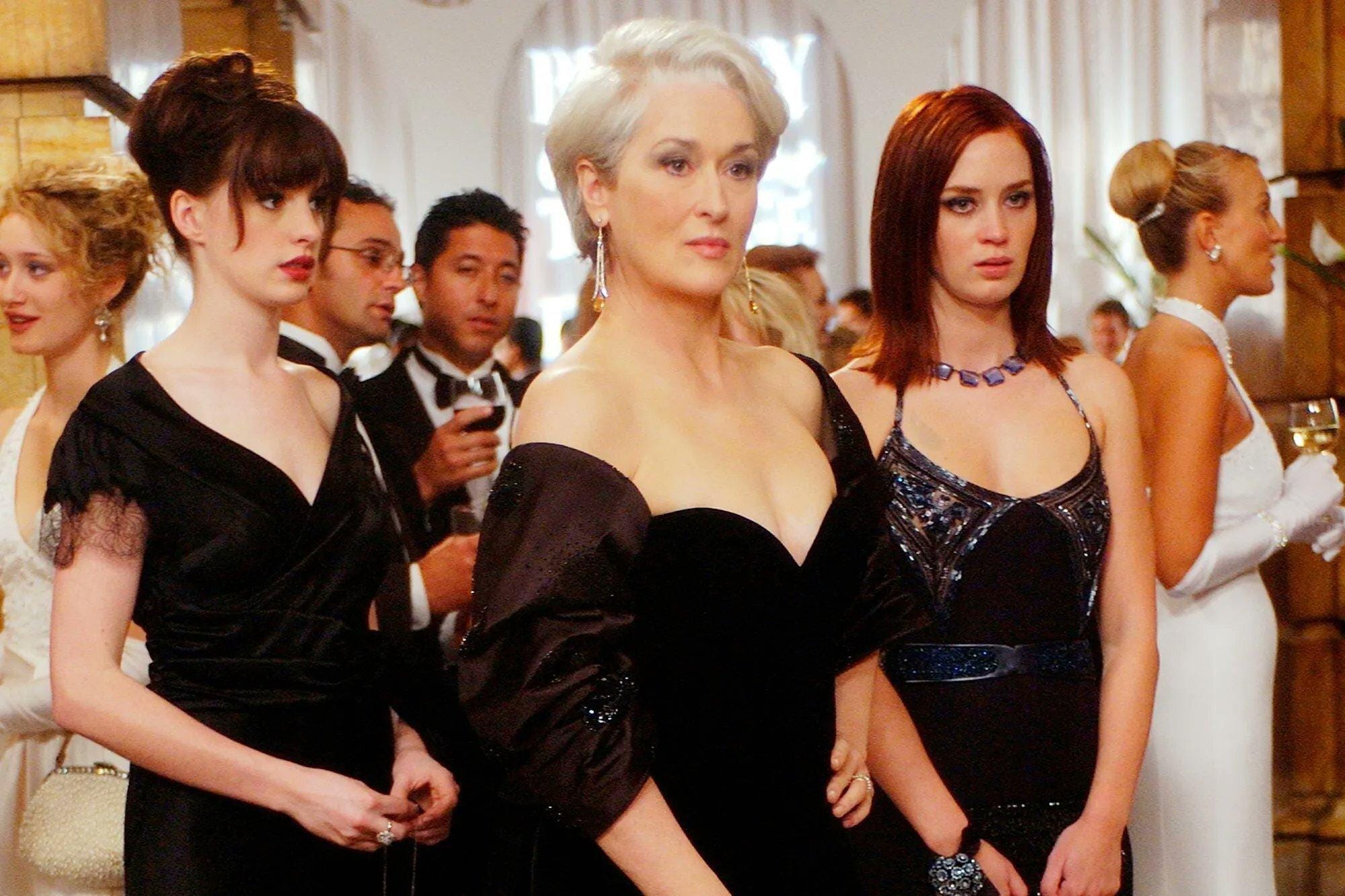
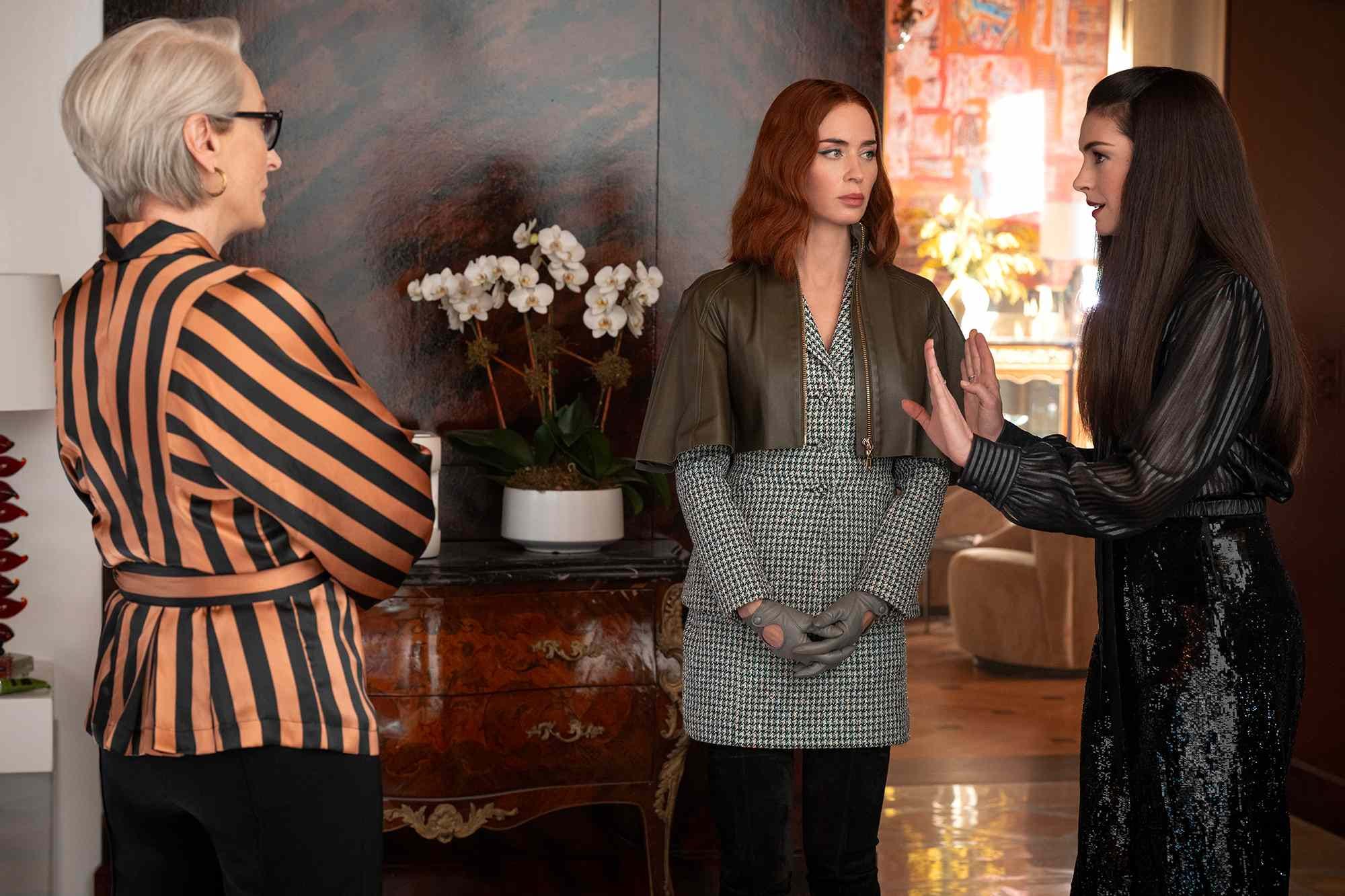
It is actually daunting to see how the reality I do not want to face, as a person entering the industry, was the heart of the film. Willful ignorance was my coping mechanism to shield myself from the reality that fashion has changed in ways that I am deeply disheartened by. In the original film, Andy Sachs had to navigate working at a company within an industry of high demand. Phone calls were constantly being made, concepts of photoshoots were methodical and meticulous, and the fashion events required you to be someone to attend.
20 years later, we can only see the skeletal version of fashion. The magic that once enchanted people is no longer inspired; technology in all its glory is overriding the significance of the human touch, convenience and economic preservation is of higher importance than impact and artistic expression. The sequel is not about the villain versus the hero; it is about how everyone in the industry, no matter their status, is subject to the changes that we all have to face someday.
“When will I know it’s time to leave?”
A vulnerable Miranda Priestly in her Italian hotel room, reflecting on her survival of new industry standards.
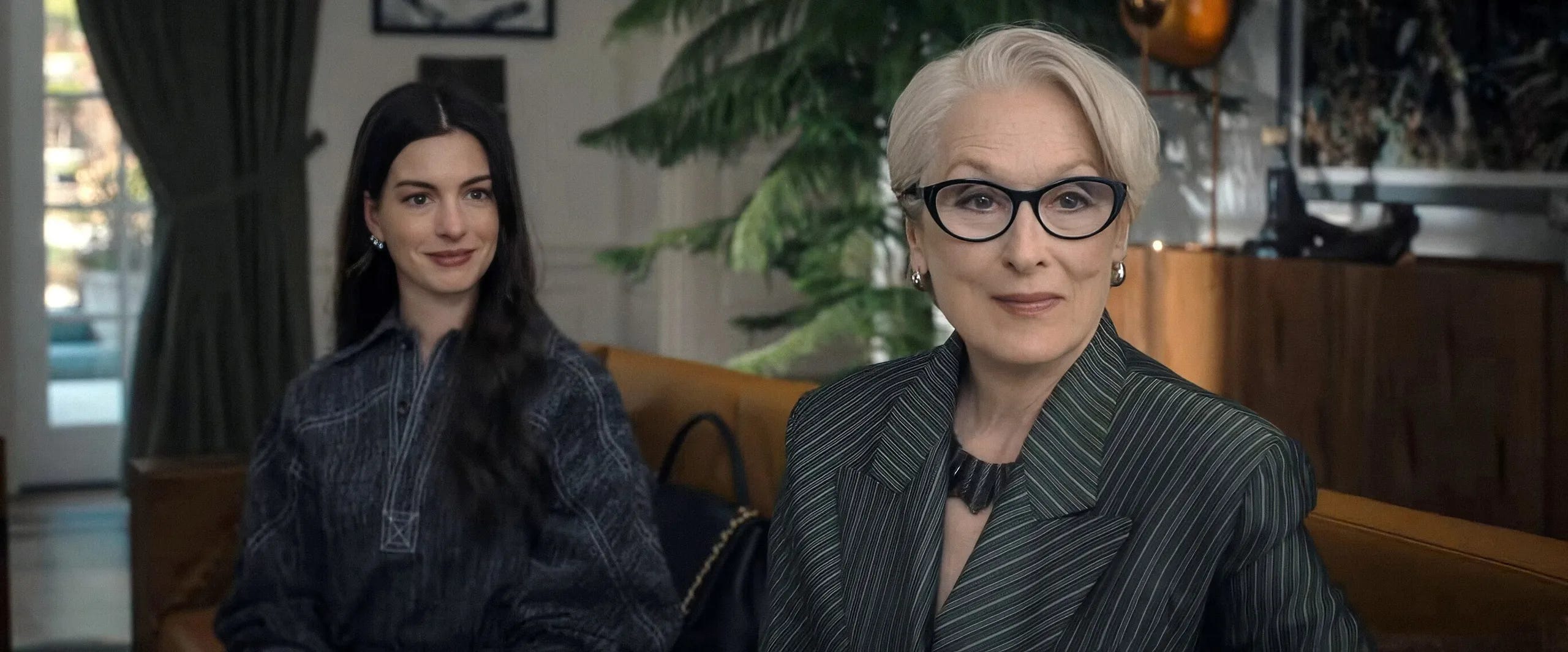
Suddenly, I do see. I see the imperfections of a picture-perfect industry. I see how the people you’d think were untouchable cannot avoid life’s uncertainties. The world moves on its own, and as much as we’d like to think we have the power to control its direction, we are at its hand.
There was a special moment in the sequel that kept me hoping for a life in fashion. Miranda and Andy shared the back of the Maybach Mercedes once again. They had just successfully pulled off the acquisition of Runway, saving the magazine from extinction and regaining creative power. The conversation is what enlightened me on how much the industry can change you, as it changes itself. Andy Sachs, now senior features editor, was confidently expressing her devotion to partnering with Miranda Priestly, newly appointed global editor of Runway, as they navigate through this new journey.
If I recall correctly—which I’m sure I do giving that I’ve watched the original film more than I can count—Andy was more regretful of the part she played in helping Miranda, as she seen Miranda’s efforts as an act of betrayal. The iconic car scene where Andy expresses that she wouldn’t want to live the way Miranda lives, to now speaking with much promise for the future to come, and with much admiration, she now wants to live this life.
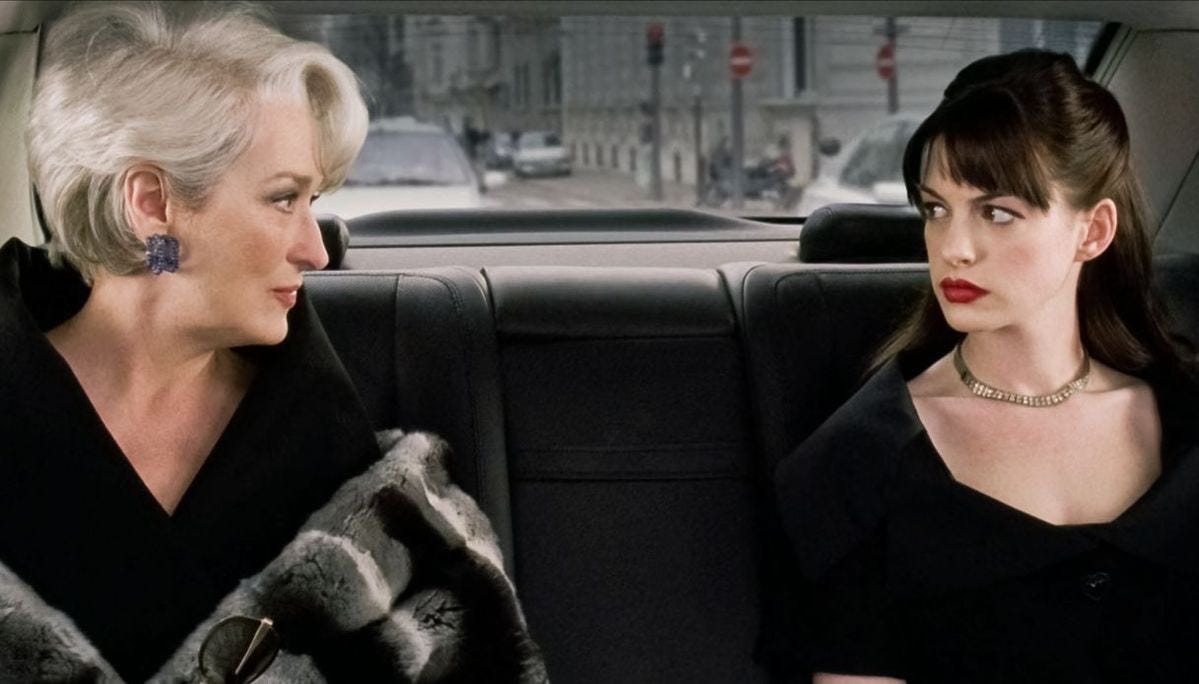
This isn’t the same life that Andy once rejected. She sees the fashion industry as something that needs to be nurtured and protected. Suddenly, she sees the significance that it holds, the lives that it can make better, and the depth that is much deeper than the blue of her cerulean sweater.
This film needed to highlight these issues, because otherwise it would be too easy to ignore them. Corporations with no knowledge or care for fashion do not belong in creative direction positions. The integrity of art should not be for sale to the highest bidder. I hate to see the industry lose its spark because capital gain is more important than the creation of art. Although my biggest fear was broadcast in front of me, I did not lose my ambition to be a part of it. This labyrinthine industry was made to be bent, tested, and explored.
Miranda also said one of my favorite quotes of the movie. When discussing with Andy about her book opportunity, Miranda suggests that she “put it all in there, because people should know there’s a cost. But, boy, I love working. I really do, don’t you? I just love it.” The essence of a conversation that these two once shared in Miranda’s Parisian hotel in the first film draped this scene with sentiment. The Dragon Lady, so career-obsessed. This time, she didn’t allow that sense of work ethic to loom over her like a burden; instead, she chose to be proud of who she was.

The Devil Wears Prada 2 was not only two hours’ worth of entertainment, but it was also a lesson that I’ll take with me beyond the theater. As someone who dreams of working in the editorial space, I feel it is my responsibility to remain organic and a sponge for life’s deepest lessons. Match your responsibilities to your art. Working with designers, photographers, stylists, and journalists, I hope to one day create something impactful and full of life.
Of course, the issues of fashion that this movie touched on wouldn’t be solved by the banding of old friends or a couple of phone calls. The reality that corruption is embedded so deeply within the industry doesn’t require this film to end on the discouraging truth; it is a movie after all. It was light, slightly brushed with heartache, but it was also full of dreams that we should feel free to harbor on.
If you haven’t seen The Devil Wears Prada 2 in theaters yet, I highly recommend you do; it’s all the rage.
as someone who’s studying marketing and would love to work on fashion marketing this film broke my heart and put it back together but the sad truth is that it’s not as easy to fix as in a movie
20 years later, we can only see the skeletal version of fashion. The magic that once enchanted people is no longer inspired- chills!